

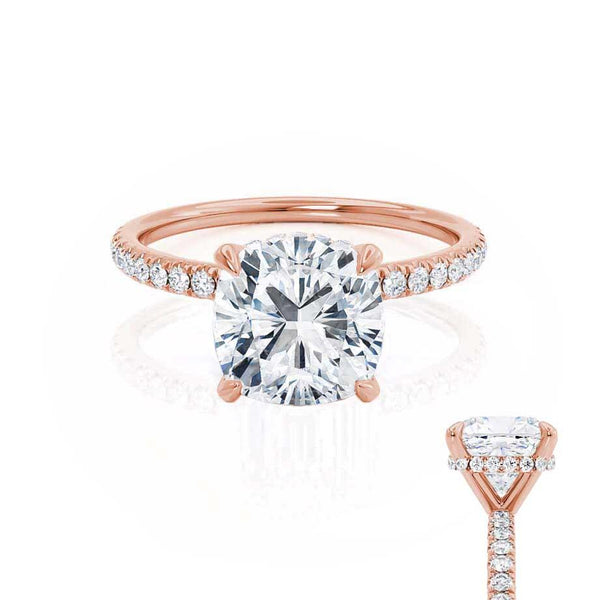
The evolution of contemporary trends in fine accessories is closely tied to changing consumer expectations, cultural shifts and the influence of modern design philosophies. Brands such as lily arkwright exemplify how today’s accessory market blends craftsmanship with innovation, resulting in pieces that feel both timeless and current. As tastes evolve and new technologies reshape the industry, fine accessories continue to adapt, offering consumers an ever-expanding array of options that balance style, value and meaningful expression.
Modern accessory trends are increasingly shaped by a desire for authenticity. Consumers now expect pieces that tell a story, whether through artisanal detailing, sustainable sourcing or unique design narratives. This shift has encouraged designers to explore new materials and reinterpret classic techniques. Precious metals, traditional gemstone settings and hand finished components still hold strong appeal, but they are often paired with contemporary silhouettes and minimalist forms that reflect the current preference for understated elegance.
Another significant driver of contemporary accessory evolution is the growing demand for ethical and sustainable production. Shoppers are more aware than ever of the environmental and social impact behind luxury goods. This focus has inspired a rise in lab created gemstones, recycled metals and transparent supply chains. Fine accessories are no longer valued solely for their appearance but also for the integrity behind their creation. By embracing responsible practices, many modern brands are redefining what luxury means, allowing customers to enjoy refined style with a sense of purpose.
Technology plays a major role as well. Advanced crafting techniques, precision cutting tools and digital design software allow accessory makers to experiment with shapes and structures that were once impossible to achieve. This has broadened the design landscape and encouraged a fusion of traditional artistry with innovative engineering. Consumers benefit from pieces that are both visually striking and exceptionally durable, reflecting the craftsmanship expected from fine accessories with the added advantage of modern precision.

Personalization is another hallmark of contemporary trends. More shoppers seek accessories that feel uniquely their own. This has increased the popularity of customizable components such as adjustable chains, modular pieces and made to order designs. Consumers appreciate the opportunity to curate a collection that reflects their identity and individual style rather than relying on mass produced looks. This shift toward customization also encourages designers to think more creatively, offering collections that are versatile, meaningful and adaptable to diverse tastes.
Cultural influences continue to shape the direction of fine accessories as well. Global fashion trends, artistic movements and social media platforms all accelerate the spread of new ideas. Designers draw inspiration from a wide range of sources, introducing motifs and design elements that span various cultures and eras. This interconnectedness brings fresh perspectives to accessory design and allows consumers to access a broader palette of styles than ever before.
At the same time, timelessness remains a crucial element of fine accessories. While modern trends favor clean lines and subtle embellishments, there is still strong appreciation for heirloom inspired pieces that evoke a sense of tradition. The blending of nostalgia with contemporary refinement helps maintain balance, ensuring that accessories feel both relevant today and enduring for the future.
As design innovation, sustainability and cultural awareness continue to influence the industry, the evolution of contemporary fine accessories shows no sign of slowing. Today’s market celebrates versatility, responsible craftsmanship and a deeper connection between maker and wearer. This ongoing transformation not only expands stylistic possibilities but also reinforces the role of accessories as powerful forms of personal expression.