

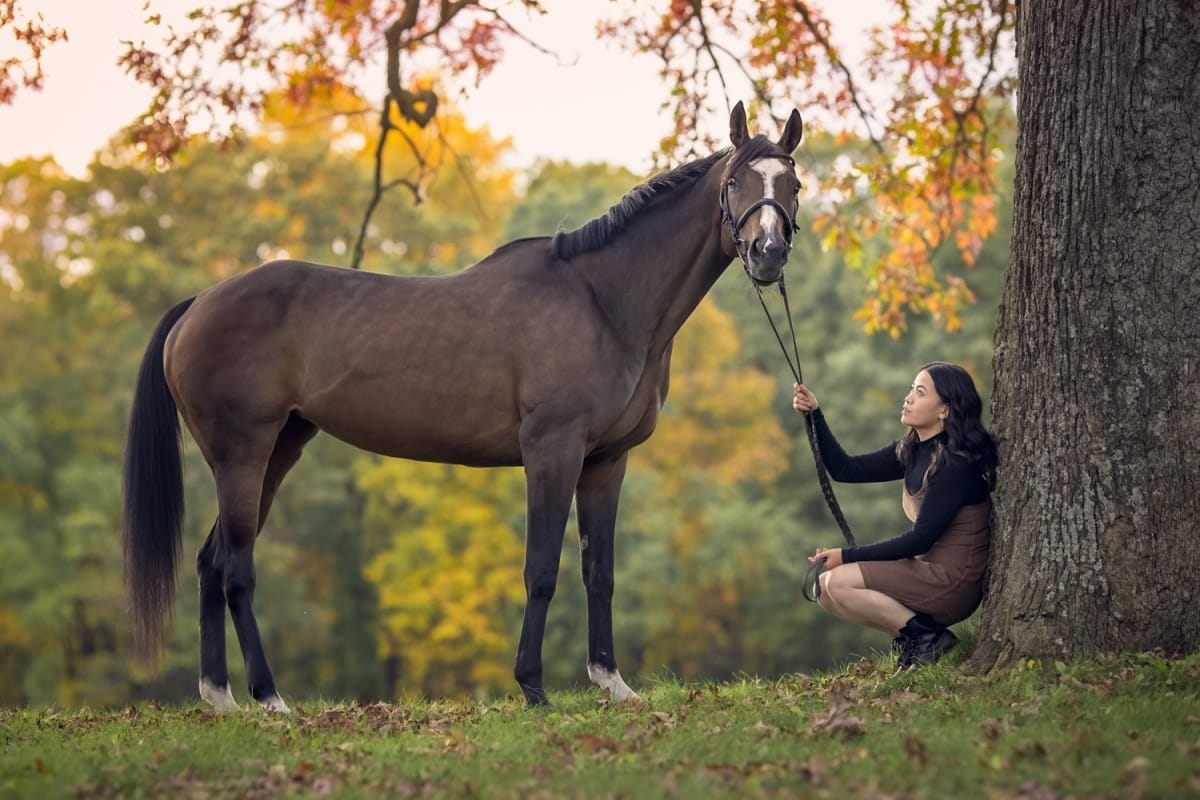
It is a common assumption that a photoshoot with a horse is primarily about the gear, the location, or the rider’s outfit. While these elements contribute to the visual appeal of an image, they are secondary to the underlying dynamic between two living beings. The most resonant imagery often emerges when the photographer shifts focus away from traditional posing and toward the candid, unspoken communication that defines the bond between an equestrian and their animal.
Beyond the polished pose: Why authentic interaction matters
Many people approach their first professional session with a list of rigid poses in mind, often modeled after competition standards or social media trends. While structure has its place, relying too heavily on staged movements can sometimes lead to results that feel stiff or disconnected. A horse is a highly perceptive creature; when a rider is preoccupied with hitting a specific pose, the animal often senses that tension, which can manifest as a lack of engagement or a distracted posture.
What truly creates compelling horse and rider photography is the presence of a genuine exchange. This might be a quiet moment of grooming, a shared look, or simply the relaxation that occurs when the pair is at ease in a familiar environment. When the focus shifts to these authentic interactions, the images tend to capture a sense of partnership that feels timeless and personal, rather than forced.

Defining the elements of a successful session
The most successful sessions often lean into simplicity. Instead of over-complicating the scene with excessive props or elaborate staging, a thoughtful approach prioritizes the environment where the pair feels most comfortable. For many, this is their home stable or a favorite training space, where the horse is already settled and the rider can focus on the experience rather than the logistics of a new location.
Lighting is another factor where less is often more. Soft, natural light during the early morning or late afternoon frequently yields the most flattering results for both the subject and the animal. These lighting conditions can help soften textures, highlight the movement of a horse’s coat, and create a warm atmosphere that emphasizes the intimacy of the session. A skilled photographer will typically look to leverage the environment to tell a story, using natural elements to frame the connection rather than relying on heavy digital manipulation.
Considerations for a comfortable and productive experience
Preparation remains a useful strategy for ensuring a smooth photoshoot with a horse. This is less about perfection and more about reducing unnecessary stressors. Considerations might include:
● Familiarity: Allowing the animal time to adjust to the presence of camera equipment before the session begins can help prevent skittishness.
● Comfort for the animal: Ensuring the horse is groomed, calm, and feeling good is the most effective way to ensure they are present and engaged during the shoot.
● Collaboration: Treating the photographer as a collaborator rather than just a service provider often leads to better communication regarding what the rider hopes to capture.
The goal is to reach a state where the equipment and the process fade into the background, leaving space for the relationship between horse and rider to take center stage.
Distinguishing between aesthetic appeal and meaningful storytelling
In the digital age, there is a temptation to prioritize the “look” of an image over its substance. High-contrast edits or trendy filters might make a photo stand out in a temporary feed, but they do not necessarily translate into a meaningful keepsake. A truly enduring photograph is one that manages to convey the essence of the partnership.
A helpful way to distinguish between these two is to consider whether the image tells a story or simply documents a moment. An aesthetic-focused image might show a rider on a horse, perfectly aligned. A storytelling-focused image, however, might show the way the horse nuzzles the rider’s shoulder, or the shared concentration as they move together. The latter often feels more authentic to those who know the animal and the rider, and it tends to remain relevant long after the trends of the day have faded.
Reframing the purpose of your photography session
When planning horse and rider photography, it can be helpful to view the session as an investment in a memory rather than just a series of digital files. By reframing the experience this way, the priorities shift. The objective is no longer to get a specific shot for social media, but to document a specific chapter in the life of a partnership.
This mindset encourages the rider to choose a photographer whose process prioritizes the welfare and comfort of the animal, and whose artistic style aligns with the kind of story they want to tell. It also encourages a more relaxed, patient approach during the shoot itself. When the pressure for a “perfect” outcome is removed, the pair is often free to be themselves, which is almost always when the most authentic and moving photographs are produced.
Ultimately, the best photoshoot with a horse is one that honors the reality of the bond. Whether that bond is captured through quiet reflection, active movement, or simple companionship, the most effective images are those that feel honest. By focusing on the connection and letting the technical aspects of the photography support that narrative, riders can ensure that their images remain a valued reflection of their time with their horse for many years to come.